Water gets into a basement through the weak points left behind when the foundation was built: the joint where the footing meets the wall, gaps around old steel form ties, cold joints between concrete pours, foundation cracks, and windows. It usually starts as rainwater or snowmelt that soaks into the ground, then follows the path of least resistance to the easiest opening it can find. On parts of Long Island, a high or perched water table pushes groundwater toward those same weak points. That is the short answer. Here is how to tell what is happening in your basement.
Protect Your Home Today
We make it simple, affordable, and stress-free — with guaranteed results.
Why the Source Is Hard to Spot
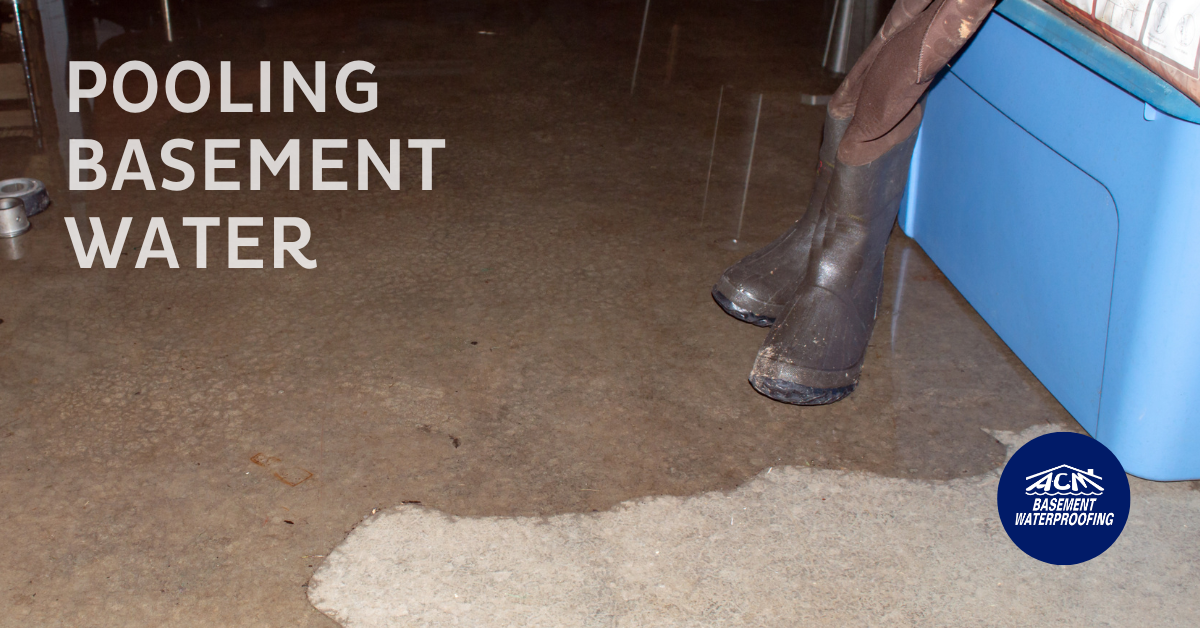
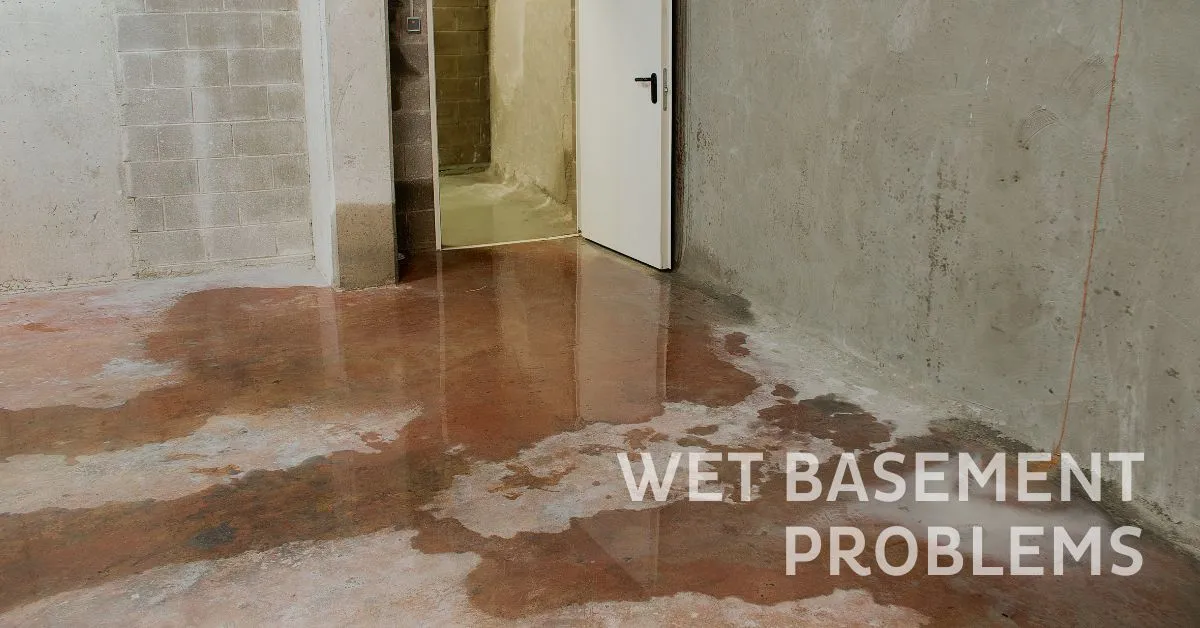
When you find a puddle on your basement floor, the source is rarely where you would guess. It may look like the water is coming up through the floor, but the actual entry point is often somewhere else entirely. Water takes the path of least resistance, and that path almost never runs straight down through solid concrete. More often it slips in along a wall or a joint, runs across the floor, and pools in the lowest spot, which is where you notice it.
This is why chasing the puddle rarely solves anything. To stop the water, you have to find where it is actually getting in.
The Most Common Ways Water Enters
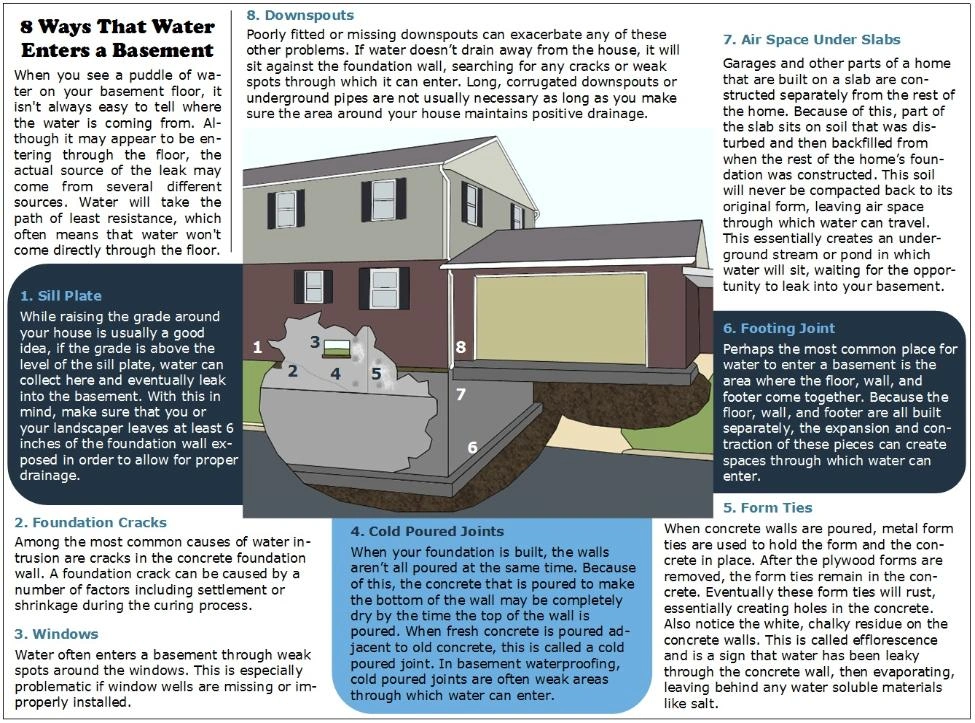
There are eight common entry points water uses to get into a basement, common entry points for water include:
- The footing-to-wall joint. The seam where the foundation footing meets the wall is the single most common entry point. It is a natural cold joint, and water finds it easily.
- Windows and window wells. Basement windows and the wells around them collect runoff and let it in when they are not sealed or drained properly.
- Form tie holes. When the foundation walls were poured, steel ties held the forms in place. The tiny voids they leave behind become channels for water years later.
- Cold poured joints. Anywhere two separate concrete pours meet, there is a seam, and seams leak.
- Foundation cracks. Cracks of any size can let water through, including cracks that have already been patched or sealed once before.
In most of these cases, the water is simply runoff that has soaked into the surrounding soil and worked its way to the nearest opening.
High and Perched Water Tables on Long Island
In some Long Island neighborhoods, the problem is not runoff but groundwater. A high or perched water table raises the level of water in the soil around your foundation and puts steady pressure on the walls and floor. Even then, the water does not necessarily come straight up through the floor. It still looks for the easiest way in, which is usually the footing joint or a weak point in the walls. The result looks the same on your basement floor, but the underlying cause, and the right fix, can be different.
Why Water Keeps Getting In Your Basement
The frustrating part of the path of least resistance is that water remembers the route. Once it gets in through a particular spot, it tends to come back through that same spot. All it takes is the right conditions, a heavy storm or a fast snow thaw, and you are looking at a flooded basement again. Some homes have quietly dealt with this same leak for decades, drying out between storms and flooding with the next big one.
There Is No Such Thing as a Naturally Dry Basement
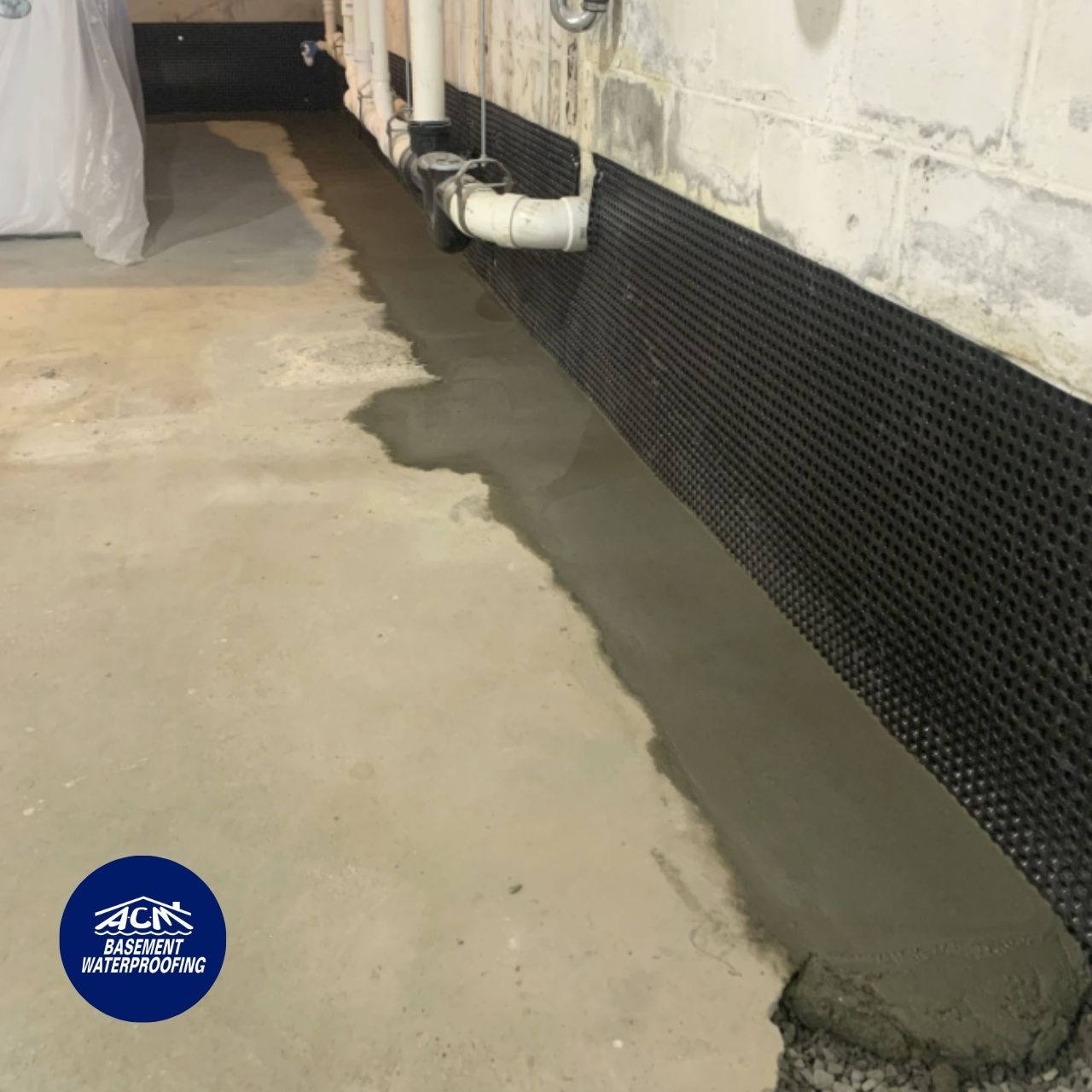
Every waterproofing specialist learns this early: a truly dry basement does not really exist. Basements are damp by nature, even when there is no standing water in sight. The goal of basement waterproofing is not to fight that reality but to manage it, so you can live without worrying that you will come home one day to a flooded floor and ruined belongings.
So now that you know how water gets into your basement, the natural next questions are how do you waterproof a basement and how much does it cost to waterproof a basement? Both are worth understanding before the next big storm rolls through.
Protect Your Home Today
We make it simple, affordable, and stress-free — with guaranteed results.
- How Do You Waterproof a Basement - May 1, 2026
- How Did Water Get Into My Basement? - February 1, 2026
- How Much Does Basement Waterproofing Cost? - January 1, 2026


