Leaning Foundation Wall Repair in Long Island
Your Trusted Foundation Repair Experts for Leaning Foundation Walls Near You
When a basement wall starts leaning inward, it’s not something you can afford to put off. That inward tilt means the wall is losing its battle against the pressure outside, and once it starts moving, it doesn’t stop on its own. For Long Island homeowners, a leaning foundation wall is one of the clearer signs that something needs to be done before the problem gets expensive.
We see this issue regularly in homes across Nassau County and Suffolk County. The combination of a high water table, soil that holds onto moisture, and foundations that were built decades ago creates the perfect setup for walls to start giving way. If your foundation wall is leaning from the top, getting it inspected now can save you from a much bigger project later.
What Does a Leaning Foundation Wall Look Like?
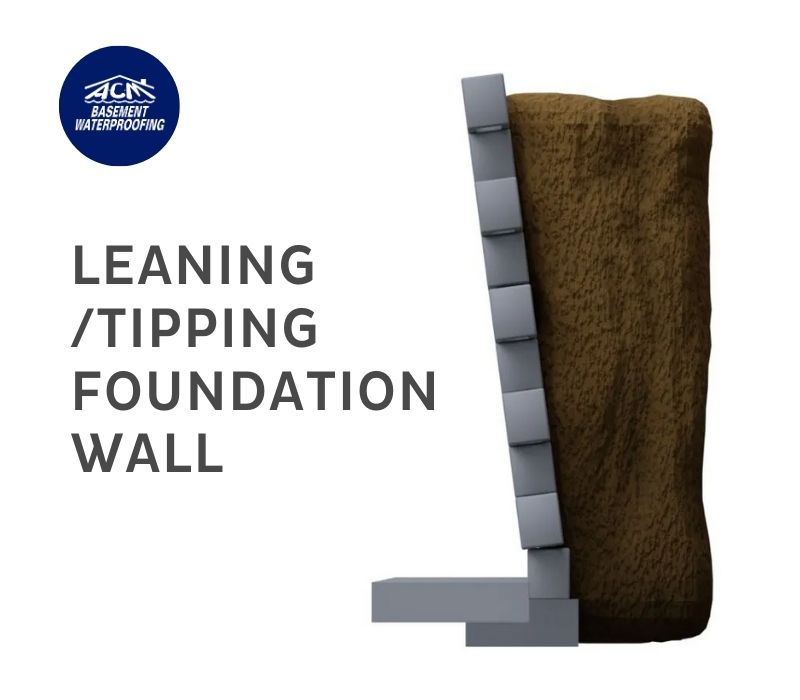
Unlike a bowing wall that curves inward in the middle, a leaning foundation wall tilts from the top. The wall itself might still look relatively straight, but it’s angled, often pulling away from the floor joists and framing above it.
This kind of movement shows up most often in concrete block and masonry foundations, which are common in older Long Island homes. What’s happening is that soil and water pressure outside are pushing harder than the wall can resist, causing it to rotate inward over time.
Leaning Foundation Wall Warning Signs to Watch For
The tilt itself is the most obvious indicator, but there are usually other clues that a foundation wall is leaning:
- A visible gap between the top of the wall and the joists above
- Horizontal cracks or stair-step cracking near the top of the wall
- Water coming through cracks in the foundation
- Doors and windows upstairs that have started sticking or won’t close properly
If any of this sounds familiar, it’s worth having a Long Island foundation repair company take a look before the wall moves any further.
Why a Leaning Wall Is a Serious Problem for Long Island Homes
A foundation wall that’s tilting inward isn’t just a cosmetic issue, it’s a sign that the wall is losing structural integrity. The further it leans, the less capable it becomes of supporting the load above it, and the more stress it transfers to other parts of your home.
In Long Island’s climate, where the ground around your foundation stays wet for long stretches, hydrostatic pressure keeps pushing. That means a leaning wall tends to keep leaning unless something is done to stop it. Cracks widen, water finds new ways in, and what started as a manageable repair turns into something more invasive.

What Causes Foundation Walls to Lean on Long Island?
A few factors show up again and again in the homes we work on:
Hydrostatic pressure is the big one. When soil around your foundation gets saturated, it pushes against the basement walls with surprising force. Over time, that constant pressure can overwhelm a block or masonry wall.
Long Island’s water table makes this worse. In many Nassau and Suffolk County neighborhoods, groundwater levels stay high year-round, which means the pressure rarely lets up.
Drainage problems compound the issue. If your gutters are clogged, your downspouts dump water too close to the house, or the grading around your foundation slopes the wrong way, water collects right where you don’t want it.
Clay-heavy soil expands when it absorbs moisture, adding even more lateral pressure against the wall.
Freeze-thaw cycles stress masonry foundations as the ground expands and contracts with the seasons.
Older block foundations simply weren’t built to handle this kind of sustained pressure. Many Long Island homes are working with foundations that are 50, 60, or 70 years old.
How to Tell If Your Foundation Wall Is Still Moving
Foundation wall movement doesn’t usually stop on its own. If you’re wondering whether your leaning wall is getting worse, look for:
- The tilt becoming more noticeable over time
- Cracks that are wider than they were a few months ago
- A gap at the top of the wall that keeps growing
- More moisture or dampness along the wall than before
If you’re seeing any of these in your Long Island home, the wall is probably still in motion, and stabilization becomes more urgent.
Can a Leaning Foundation Wall Be Fixed?
In most cases, yes, especially if you catch it before it’s moved too far. The goal is to lock the wall in place so it can’t lean any further. Patching cracks or painting over the problem won’t cut it; without actual reinforcement, those fixes won’t last.
The earlier you call a Long Island foundation repair company to address foundation wall instability, the more options you have and the less disruptive the repair tends to be.
How We Stabilize Leaning Walls in Long Island
At ACM, we use carbon fiber wall straps to reinforce leaning foundation walls from the inside. These straps get bonded directly to the wall surface and anchored into both the basement floor and the rim joist above. Once they’re in place, the wall can’t move any further.
Carbon fiber foundation repair works well for Long Island homes for several reasons:
- The entire installation happens inside the basement, no digging up your yard
- Carbon fiber is stronger than steel pound-for-pound, and it won’t rust or corrode
- The straps are thin and low-profile, so they work in finished or unfinished basements
- Foundation wall stabilization is permanent once the system is installed
- Most jobs are done in a single day
We also seal any cracks in the wall to help keep water from getting through while the carbon fiber handles the structural reinforcement.

Dealing With the Water Pressure Behind the Wall
Stabilizing a leaning basement wall stops the movement, but it doesn’t address why the wall started leaning in the first place. In a lot of Long Island homes, the underlying cause is groundwater pressure that’s been building up for years.
That’s where interior waterproofing comes in. Our interior waterproofing systems collect water at the base of the foundation and route it to a sump pump before it can accumulate and press against your walls. By relieving that hydrostatic pressure, you’re protecting the repair you just made and reducing the chances of future problems.
When you combine basement wall reinforcement with proper drainage, you’re solving both the symptom and the cause.

What Happens If You Don’t Fix Your Leaning Basement Wall
Leaning walls don’t get better with time. The pressure that caused the problem is still there, and it keeps working against the wall every day. The longer you wait, the more the wall moves, the worse the cracks get, and the more water finds its way inside.
At a certain point, carbon fiber straps may no longer be enough, and you’re looking at more invasive, and more expensive, repairs. Addressing Long Island structural foundation wall issues early is almost always the smarter move.
Why This Problem Is So Common Across Nassau and Suffolk County
Long Island has a few things working against it when it comes to foundation walls. The water table is high, the soil holds moisture, storms roll through regularly, and a lot of the housing stock was built in the mid-20th century with block foundations that weren’t designed for this kind of long-term pressure.
Add in aging drainage systems that aren’t doing their job anymore, and you’ve got conditions that lead to leaning foundation walls in neighborhoods all over Nassau and Suffolk County.
Frequently Asked Questions About Leaning Foundation Walls
Is a leaning wall worse than a bowing wall?
They’re both serious. A leaning wall rotates from the top; a bowing wall curves in the middle. Either one means the wall is under stress and needs professional evaluation.
Do carbon fiber straps actually stop the movement?
Yes. They’re specifically engineered for foundation wall stabilization and are strong enough to hold the wall in place permanently.
Will the leaning wall go back to straight after the repair?
The goal is to stop further movement, not to push the wall back. In most cases, the wall stays where it is but doesn’t lean any more.
What does this kind of repair cost on Long Island?
It depends on the size of the wall and how much it’s moved. We offer free inspections so you can get a clear picture of what’s involved.
Do I need to move out while the work is being done?
No. Everything happens inside the basement, and many repairs are finished the same day.

Get a Free Leaning Foundation Wall Inspection in Long Island
If you’ve noticed your basement wall leaning inward, don’t wait to find out how much worse it can get. ACM Basement Waterproofing has been working on Long Island foundations for years, and we know what it takes to stabilize walls in this climate.
We’ll come out, take a look at what’s going on, and give you an honest assessment, no pressure, no sales tactics. If carbon fiber wall straps are the right solution, we’ll explain exactly how it works. If something else makes more sense, we’ll tell you that too.
Our inspections are free throughout Nassau County and Suffolk County. Get in touch with ACM today and find out where your foundation stands before a leaning wall turns into a bigger structural problem.