Fixing Standing Water in Your Long Island Basement
Long Island’s Solutions to Pooling Basement Water and Leaks Near You
If you’ve noticed puddles in your Long Island basement after rain or water pooling along the walls, you’re not alone. Standing water in basements is one of the most common issues we see in homes across Nassau and Suffolk Counties.
It usually starts small. A damp patch on the concrete that never quite dries. A shallow puddle near the foundation wall. Water that appears after a storm and seems to go away on its own.
A lot of Long Island homeowners brush it off as “just how basements are” or put it on the back burner. But here’s the reality: standing water almost always signals an ongoing drainage issue or groundwater pressure problem that won’t resolve itself. Left alone, it typically gets worse.
At ACM Basement Waterproofing, we’ve spent years helping homeowners throughout Long Island figure out exactly where their basement water is coming from and fix it for good.
Standing Water vs. Basement Flooding: What’s the Difference?
These two problems are related, but they’re not the same thing.
Standing water tends to show up as recurring puddles or persistently damp spots on your basement floor. You might notice water pooling in the basement hours or even days after it rains. It comes and goes depending on groundwater levels and seasonal conditions.
Long Island basement flooding is a different story. When we talk about basement flooding, we mean inches of water rushing in during heavy storms or rapid snowmelt. If your basement fills up quickly when the weather turns, that’s flooding.
If sudden, heavy water intrusion sounds more like your situation, take a look at our page on basement flooding in Long Island for more on that specific issue.
This page is focused on standing water and the chronic conditions behind it.
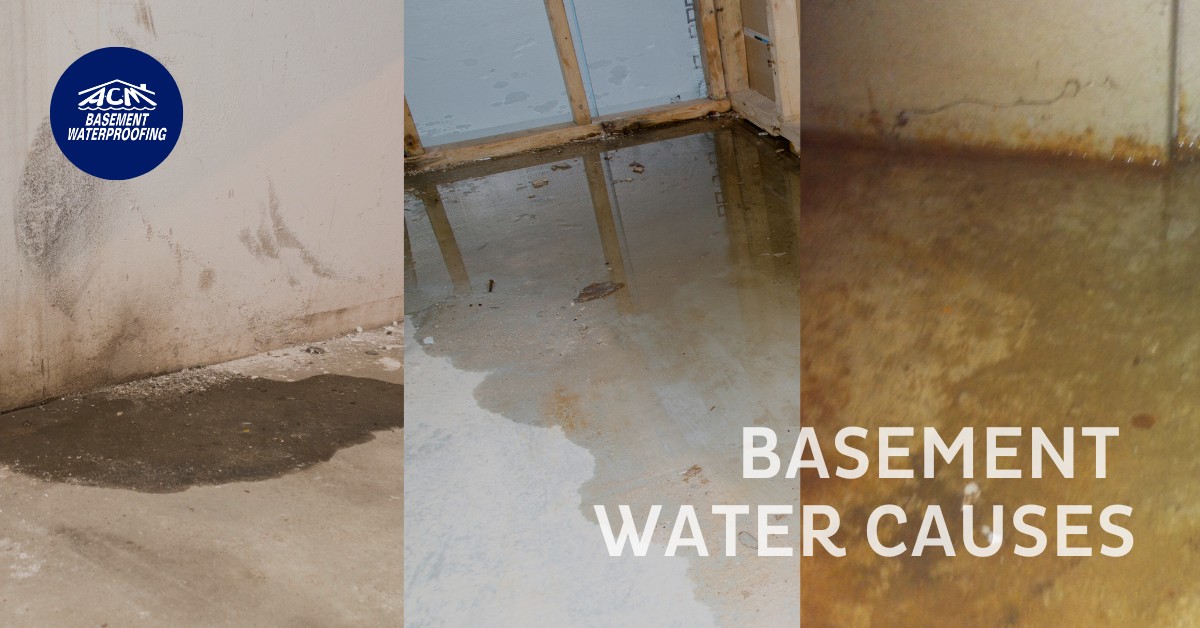
Why Basements on Long Island Are Prone to Standing Water
There are a few reasons why basement water problems are so common on Long Island. It comes down to local geology, groundwater behavior, and the age of many homes in the area.
The high water table is a major factor. In much of Long Island, groundwater sits just a few feet below the surface. After rain or snowmelt, that water rises and pushes against your basement floor and foundation walls. You don’t need visible cracks for water to find its way in. It can seep through joints, porous concrete, and tiny openings you’d never notice.
Soil composition matters too. Sandy soil lets water travel sideways toward the foundation, while clay pockets trap moisture against basement walls. Many Long Island neighborhoods have a mix of both, which makes groundwater movement around your home unpredictable.
Older homes face additional challenges. Drainage systems installed 30 or 40 years ago can clog, crack, or simply stop working. Sump pumps installed in your Long Island home may be undersized for today’s storms or running on borrowed time. Small foundation cracks that aren’t visible from inside can still let water through when the pressure builds.
These conditions make standing water a recurring headache in both Nassau County and Suffolk County, especially in low-lying areas, near the coast, and along the South Shore and North Shore.
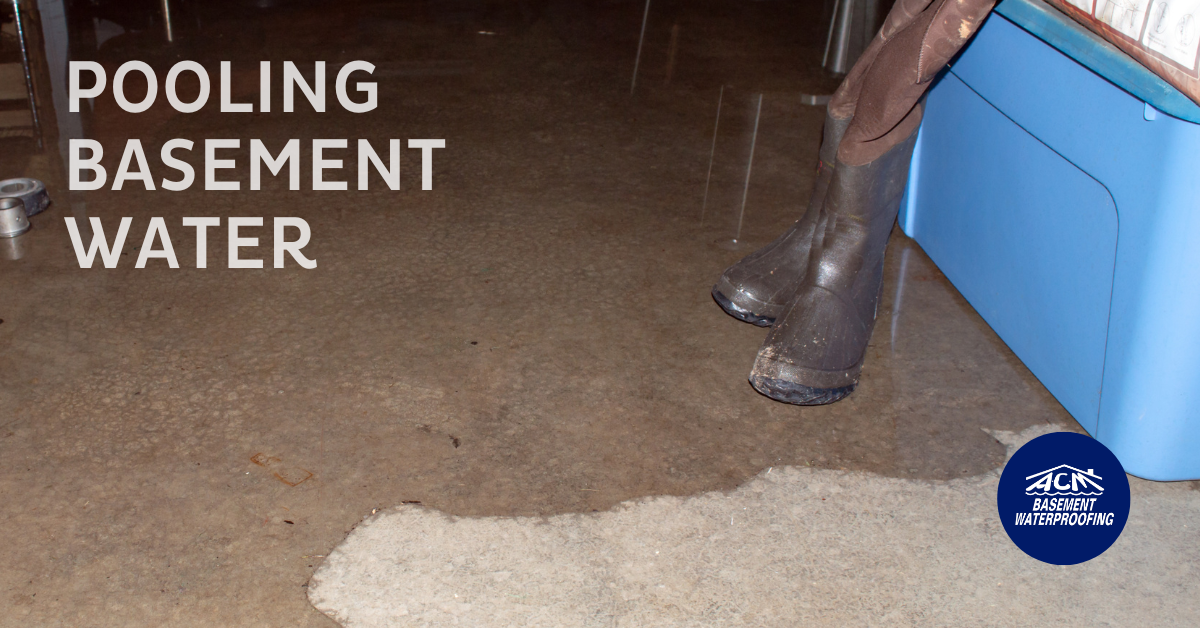
How to Tell If You Have Standing Water in Your Long Island Basement
Sometimes it’s obvious. Other times, the signs are easy to miss until the problem has been going on for a while.
Here’s what to look for:
- Puddles that show up after rain and slowly disappear
- Water collecting along basement walls or where the floor meets the foundation
- Concrete that stays damp no matter how much you try to dry it out
- White, chalky residue left behind where water evaporates (this is called efflorescence)
- Rust forming on metal shelving, appliances, or support columns
- Damp carpet edges or musty-smelling padding near the walls
If any of this sounds familiar, it’s worth investigating before things escalate.
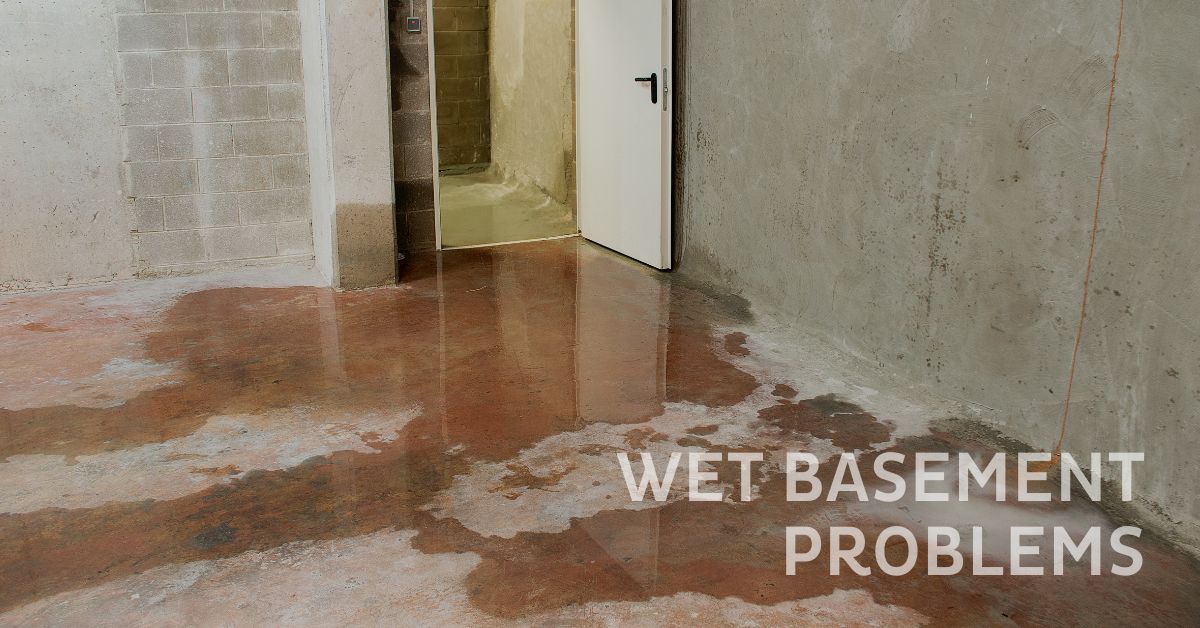
Why You Shouldn’t Ignore Standing Water (Even When It Looks Minor)
It’s tempting to shrug off a small puddle in the basement of your Long Island home. But groundwater pressure doesn’t take a break, and the damage adds up over time.
Repeated moisture weakens concrete and masonry. It can compromise your foundation and ruin any finished space you’ve invested in.
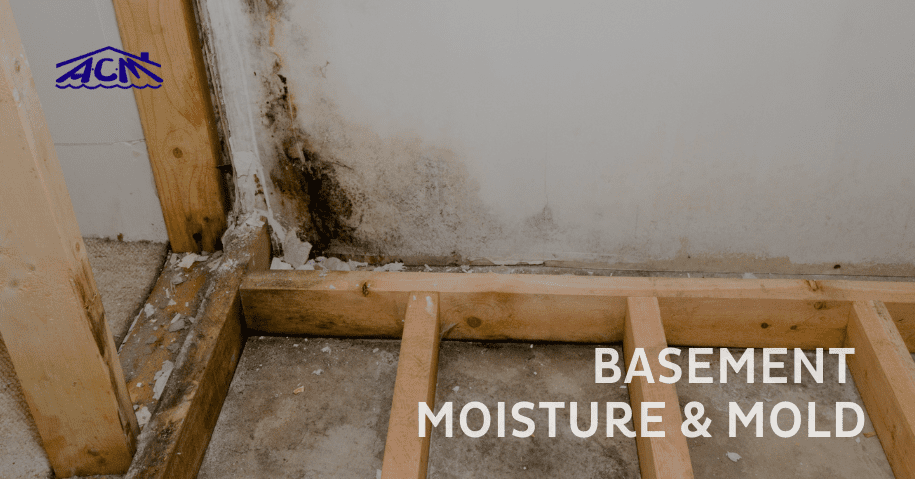
Standing water also creates the perfect environment for mold growth. Mold can take hold before you ever see visible damage, and once it does, it affects indoor air quality throughout your home. We cover this in more detail on our basement mold and mildew page.
There are safety concerns too. Water near electrical panels, outlets, or appliances creates real hazards. And if you’re thinking about selling your Long Island home someday, know that chronic basement water issues have to be disclosed. They can drag down your home’s value and scare off buyers. Fixing the problem now is almost always cheaper than dealing with long-term damage later.
What Won’t Fix Standing Water in Long Island Basements
Before calling a professional, most homeowners try a few DIY solutions. We get it. But while these might remove water in the moment, they don’t address what’s actually causing the problem.
Approaches that don’t hold up over time:
- Shop vacs, mops, or towels to soak up the water
- Fans or dehumidifiers to dry things out
- Sealing visible cracks with off-the-shelf products
- Quick fixes to your yard’s grading
- Simply drying things out after every rain and hoping for the best
These treat the symptom, not the source. As long as groundwater pressure exists, the water will keep coming back.
How We Permanently Fix Standing Water in Long Island Homes
Real solutions focus on one thing: intercepting groundwater and directing it away from your foundation before it ever reaches your basement floor.
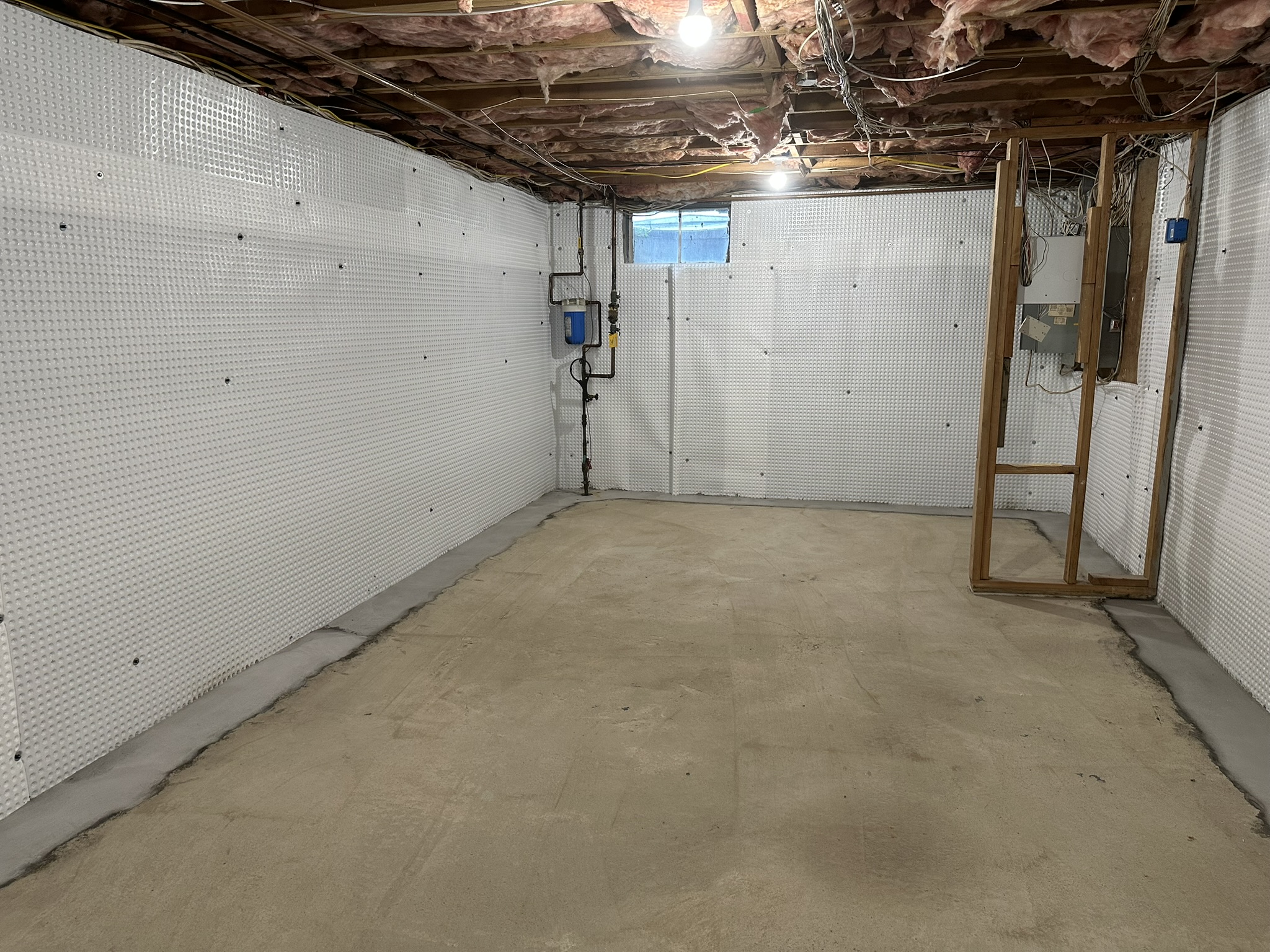
For most homes on Long Island, this means installing an interior Long Island basement waterproofing and drainage system along the basement’s perimeter. These systems capture water right where it enters and channel it toward a sump pump for removal.
French drain systems are designed to relieve hydrostatic pressure and stop water from pooling on your floor.
Sump pumps do the heavy lifting, moving collected water out and away from your foundation. In areas prone to storms and power outages, battery backup systems provide an extra layer of protection when you need it most. Depending on your situation, we may also recommend targeted foundation crack repairs or improvements to how water discharges away from your home.

Frequently Asked Questions About Standing Water in Basements
Question: Why do I have standing water in my Long Island basement when there are no visible leaks?
This is actually pretty common. Standing water often comes from groundwater pushing up through the basement floor or seeping in at the joint where the floor meets the foundation wall. On Long Island, the water table sits high enough in many areas that pressure builds under the slab after rain or snowmelt. Concrete is porous by nature, so water can move through it even without obvious cracks.
Question: Is standing water in my Long Island basement really that serious?
It can be, yes. Even small amounts of water cause problems if they keep returning. Over time, ongoing moisture weakens concrete, damages finishes, and creates conditions where mold thrives. Water near your floor can also create electrical and safety hazards. Dealing with it early is almost always easier and less expensive than waiting until the damage becomes obvious.
Question: How do I fix standing water in my Long Island basement for good?
Removing the water itself is just step one. To solve the problem permanently, you need to address where the water is coming from. For most Long Island homes, that means relieving groundwater pressure and redirecting water away from the foundation with a proper drainage system and a correctly sized sump pump. A professional inspection helps determine the right approach based on your home’s layout, soil conditions, and drainage patterns.
Question: Does standing water always mean I need full basement waterproofing?
Not necessarily. But if standing water keeps coming back, it’s a strong indicator that some level of waterproofing or drainage work is needed. A one-time incident might be related to something temporary, but water that returns after rain or cleanup usually points to a deeper issue. An inspection can help determine whether you need a comprehensive waterproofing system or a more targeted repair.
When should I call a professional about standing water?
You should consider a professional inspection if:
- Standing water appears after multiple rain events
- Water returns even after cleanup
- Musty smells accompany visible moisture
- Water is present near electrical outlets or appliances
- You are planning to finish or renovate your basement
Catching the problem early can prevent more serious damage later.

Call ACM Basement Waterproofing to Fix Standing Water
ACM Basement Waterproofing serves homeowners throughout Long Island, including Nassau and Suffolk Counties. We understand local soil conditions, groundwater behavior, and the challenges unique to coastal homes.
If you are dealing with standing water in your basement, we offer free inspections and honest recommendations tailored to your home.
Contact ACM Basement Waterproofing today to schedule your inspection and take the first step toward a dry, protected basement.