
Permanently Fixing Basement Flooding in Long Island
Prevent Basement Flooding with Waterproofing Professionals Near You
If your basement floods, you already know it’s a problem. What you might not know is why it keeps happening or what it takes to actually fix it.
Long Island sits on a mix of sand, clay, and glacial deposits. The water table is high in most areas. Add in nor’easters, heavy summer storms, and the occasional hurricane, and basements here take a beating. We’ve seen flooding in just about every town from Montauk to Massapequa, though homes in low-lying parts of Nassau and Suffolk Counties tend to have it worst.
ACM Basement Waterproofing has been fixing flooded basements across Long Island for decades. If you’re dealing with water in your basement, we can help.
Why Your Long Island Basement Flooded
There’s no single reason basements flood. Usually, it’s a combination of factors.
The water table here is high. In some neighborhoods, it’s only a few feet below the surface. When it rains hard or snow melts fast, that groundwater rises and pushes against your foundation. If there’s any weakness, water finds its way in. We’ve opened up walls in homes where the owners had no idea there was a crack, and the concrete was soaked through.
Soil matters too. Clay-heavy soil doesn’t drain well. It holds water against your foundation walls, building up hydrostatic pressure. Sandy soil drains faster but can shift over time, creating gaps where water travels. Depending on where you are on Long Island, you might be dealing with one or the other or some combination.
Then there’s the weather. Coastal storms dump inches of rain in a few hours. The ground can’t absorb it fast enough. If your home’s drainage isn’t up to the task, that water ends up in your basement. We get calls every time a big storm rolls through, and it’s always the same story. The homeowner thought they were fine until they weren’t.
Older homes have it worse. Waterproofing systems break down. Sump pumps fail. French drains clog with sediment and stop working. If your house was built 30 or 40 years ago and nothing’s been updated, you’re probably at risk even if you haven’t had a flood yet.
High humidity from Suffolk County summers creates condensation on cool crawl space surfaces. That “sweating” provides enough moisture for mold colonies.
Plumbing leaks go unnoticed for months in crawl spaces. A small drip creates major mold problems over time.
Inadequate air movement traps moisture. Stagnant air in your crawl space keeps humidity levels perfect for mold growth.
Surface cleaning won’t solve these issues. Professional crawl space waterproofing addresses the source, not the symptom. We eliminate the conditions that mold needs to survive with our Long Island crawl space waterproofing near you.
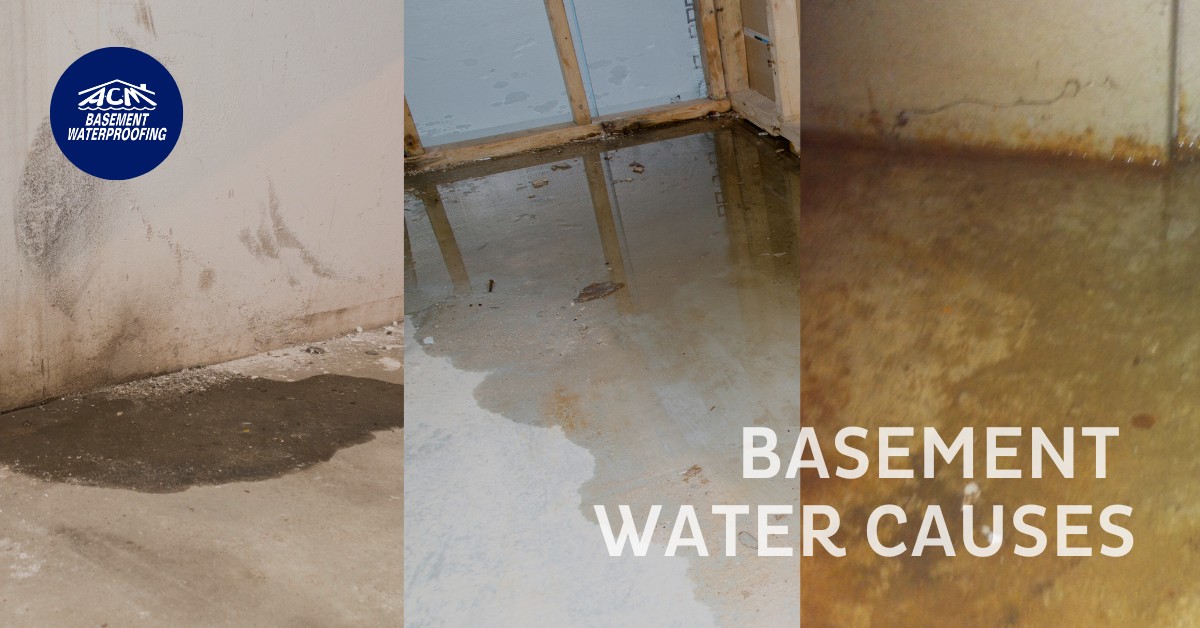
What To Do When Your Long Island Basement Floods
If you’re standing in a flooded basement right now, safety first.
If the water is more than an inch or two deep, don’t walk through it until you’ve cut power to the basement. Water and electricity don’t mix. If you can’t reach the breaker safely, call an electrician or your utility company before you do anything else.
Once that’s handled, try to figure out where the water is coming from. Is it still raining? Is water actively coming in through the walls or floor? Is it seeping up from below? This information helps when you call for help.
Take photos and video before you start cleanup. Your insurance company will want documentation, and once you start removing water, you lose that evidence.
For getting the water out, a wet vac works if it’s a small amount. Serious flooding needs a pump. If you don’t have one, a basement remediation company near you can usually respond the same day. Dry the space out as fast as you can. Mold starts growing within 24 to 48 hours. Fans, dehumidifiers, open windows. Pull up wet carpet if you can manage it.
But if this has happened before, or if it happens again, cleanup alone isn’t the answer. Something is letting that water in, and until you fix it, you’re just waiting for the next storm.
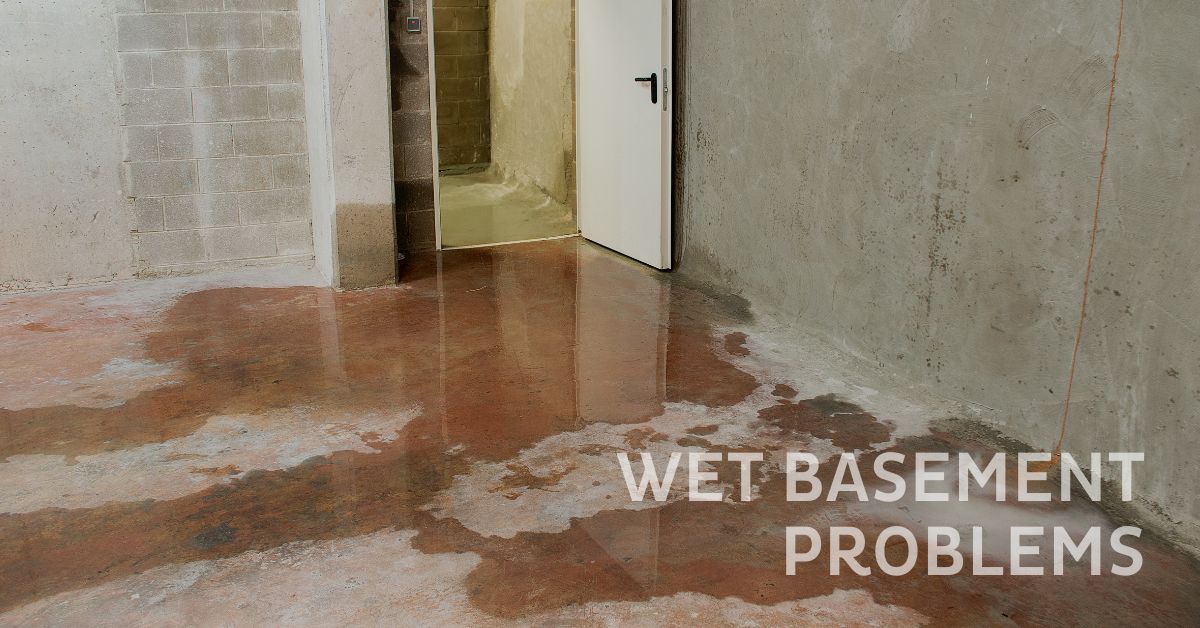
How To Prevent Basement Flooding
Fixing a flood is reactive. Prevention is where you actually get ahead of it.
For most Long Island homes, interior waterproofing is the most effective solution. That means a French drain system around the perimeter of your basement floor, connected to a sump pump that moves water out and away from your foundation. When it’s done right, water that would have pooled on your floor gets intercepted and pumped out before you ever see it.
The sump pump matters. A cheap pump from a hardware store might last a few years. We install commercial-grade pumps that are built to run for a long time. And because Long Island loses power during storms more often than anyone would like, a battery backup is worth having. The backup kicks in automatically when the power goes out. Which, if you think about it, is usually exactly when you need the pump to work.
Foundation cracks should be repaired properly. We see a lot of Long Island homeowners who tried to fix a crack themselves with caulk or hydraulic cement. It holds for a while, then fails.
Outside the house, check your grading. Make sure gutters are clean and downspouts discharge several feet from the foundation. These aren’t expensive fixes, but they make a difference.
If you’re searching for basement flooding solutions near you, start with an inspection. Every house is different. The drainage conditions, the foundation type, the soil, the age of the home. What works for one property might not work for the one next door.
The Cost of Ignoring Basement Flooding in Long Island
Water damage adds up fast.
Repeated flooding weakens your foundation. Wood structural elements rot. Metal components rust. The damage is cumulative. Each flood makes the next one worse.
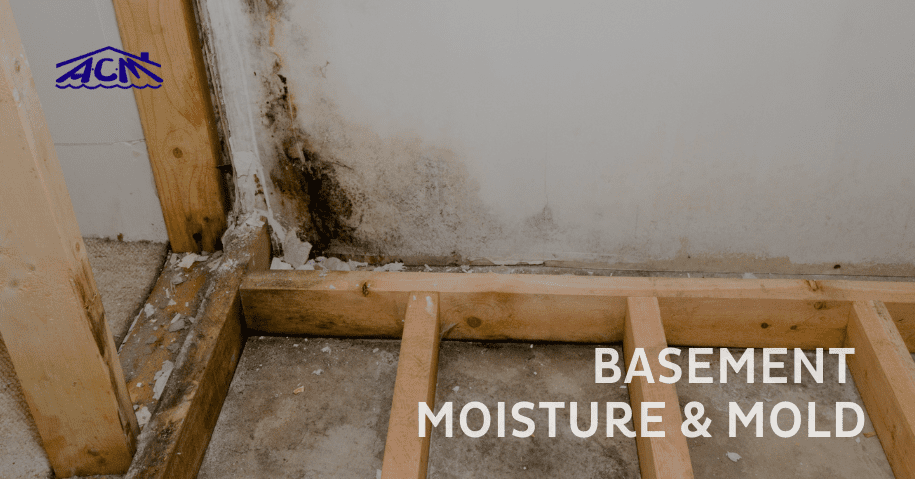
Mold is the other issue. It starts growing within 48 hours of a flood and spreads from there. Remediation gets expensive, and it’s not just a property problem. Mold causes real health issues, especially for kids or anyone with asthma or respiratory conditions.
Then there’s the stuff you keep down there. Furniture, photos, holiday decorations, old records. A lot of it can’t be replaced once it’s water damaged.
And if you ever want to sell your home, a history of basement flooding shows up on disclosure forms. Buyers notice. So do appraisers. Unresolved water issues will cost you when it comes time to close.

How ACM Fixes Basement Flooding in Long Island
We start with an inspection. We look at your foundation, your drainage, your sump pump if you have one, and the grading around your home. We ask about when flooding happens and how bad it’s been. Sometimes the answer is obvious. Sometimes we need to dig a little deeper.
Then we put together a plan. For most Long Island homes, that means some combination of French drains, sump pump installation, and crack repair. We tailor the approach to your house. A home in Babylon with sandy soil and a high water table needs a different system than a home in Huntington with clay soil and poor grading.
We’ve been doing this work across Nassau and Suffolk Counties for a long time. We know which areas flood, which soil types cause problems, and what works in different conditions.
If you’re looking for basement flooding experts near you, give us a call. We’ll come out, take a look, and give you an honest assessment.
Get Help With Basement Flooding Near You
ACM Basement Waterproofing serves homeowners throughout Long Island, from the North Shore to the South Shore, Suffolk to Nassau. If your basement has flooded or you’re worried it might, we’re nearby.