
Fixing Basement Mold & Mildew in Long Island
Prevent Basement Mold with Waterproofing Professionals Near You
Mold in a Long Island basement isn’t unusual. The climate here creates perfect conditions for it. Humidity, coastal air, older homes with aging waterproofing. We see it constantly.
The thing most people don’t realize is that mold is a symptom. The real problem is moisture. You can scrub mold off a wall, spray it with bleach, feel good about yourself for a week, and then watch it come back. Because you didn’t fix what’s actually wrong.
ACM Basement Waterproofing doesn’t do mold remediation near you. We fix the moisture issues that let mold grow in the first place!
What Does Basement Mold Look Like in Long Island?
Black mold gets all the attention. People have heard of it, they’re scared of it, and they assume any dark growth in their basement must be the toxic kind. Sometimes it is. Often it’s not. Mold testing can tell you what species you’re dealing with, but honestly, the type matters less than the fact that it’s growing. Any mold in your Long Island basement means moisture is present, and that’s the issue you need to solve.
Mold shows up as spots or patches. Black, green, gray, sometimes white. White mold gets confused with efflorescence, which is that chalky residue you see on concrete walls. Easy way to tell the difference: efflorescence wipes off with your hand. Mold doesn’t.
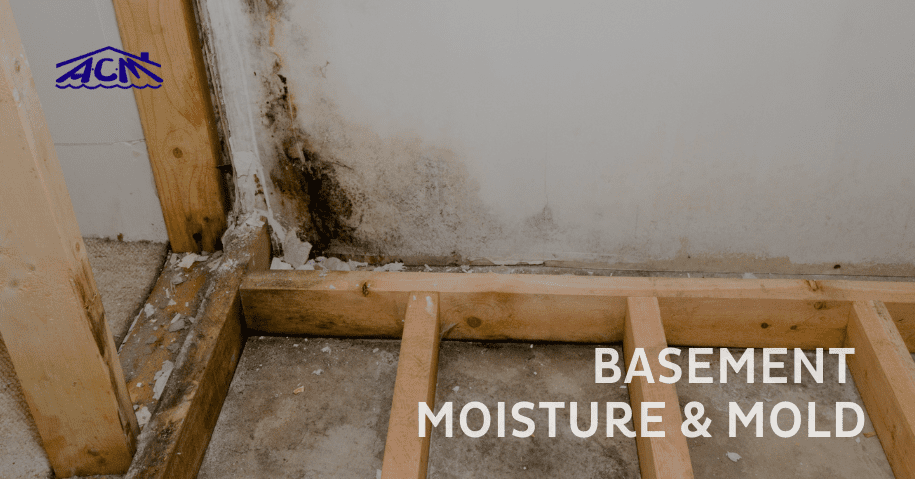
Where Mold Typically Grows in Your Long Island Basement
You’ll usually find it in spots where air doesn’t move much:
- Corners and along the base of walls
- Behind furniture that’s been sitting against a foundation wall for years
- Under stairs
- Along the rim joist where the foundation meets the framing
- Around basement windows
We have seen it growing on the back of a bookshelf that was pushed right against a foundation wall. The homeowner had no idea until they moved the shelf.
Sometimes you never see it at all. You just smell it. That earthy, musty odor that greets you at the bottom of the stairs. The mold might be behind drywall, under carpet, somewhere you can’t get to without tearing things apart. The smell is enough to tell you something’s wrong.
Why Is Mold Growing in My Long Island Basement?
Mold needs moisture. Given enough moisture and something organic to feed on, it’s going to show up. Basements on Long Island provide plenty of both.
Humidity
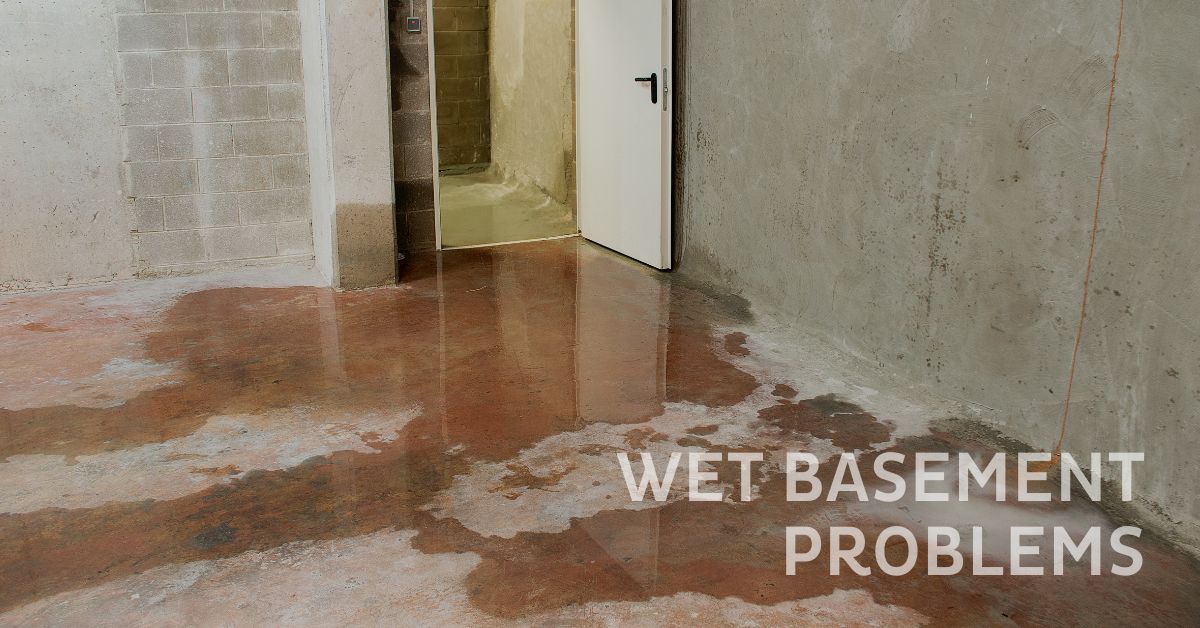
Start with the humidity. Summers here are brutal. The air holds a lot of moisture, and basements are naturally cooler than the rest of the house. When humid air hits those cold foundation walls, condensation forms. The walls feel damp. The floor feels clammy. Even if no water is actively leaking in, the space is wet.
Water Intrusion
Then there’s actual water coming in:
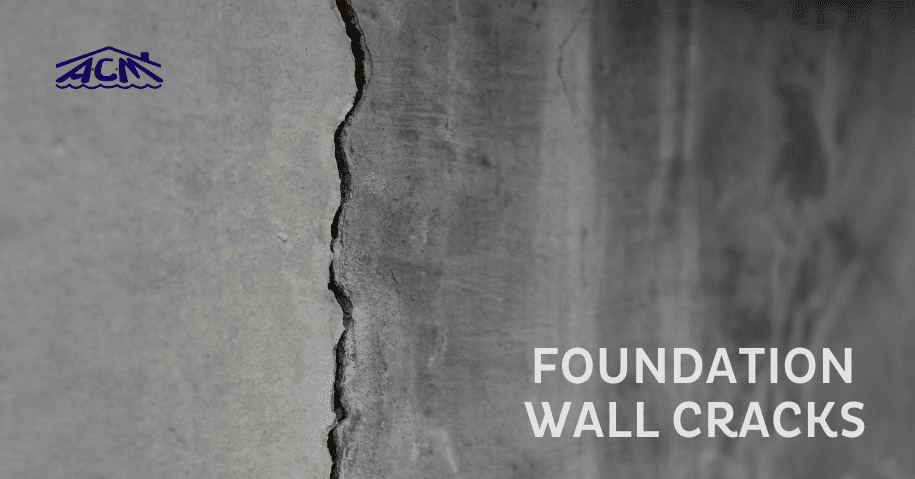
- Cracks in the foundation
- Gaps where the wall meets the floor
- Window wells that collect rain and don’t drain
- Porous concrete, especially in older homes
Homes in low-lying areas of Nassau and Suffolk Counties have high water tables. Groundwater pushes moisture up through the slab constantly. You might not see puddles, but the humidity down there stays high year round. Mold loves it.
Poor Ventilation
Most basements near you in Long Island have almost no airflow. The air just sits. Damp and still. Perfect for mold. Perfect for that smell.
Is Basement Mold Dangerous?
It can be, depending on how much mold is present and who’s breathing it in.
Mold releases spores. You inhale them, they irritate your respiratory system. For a lot of people, the symptoms are minor. Stuffy nose, scratchy throat, maybe some sneezing. For others, it’s more serious. Asthma attacks. Chronic coughing. Sinus infections that keep coming back.
Who’s Most at Risk
- Children
- Older adults
- Anyone with asthma or existing lung conditions
- People with compromised immune systems
We are not going to tell you that every Long Island basement near you with some mold is a health emergency. But if you’ve got significant visible growth, or that musty smell is strong enough that you notice it every time you go downstairs, it’s worth addressing. For your health, and because it’s telling you the basement has a moisture problem that isn’t going to fix itself.
Signs You Have a Basement Mold Problem
The musty smell is usually what tips people off first. They don’t see anything, but they can tell something’s off. The basement just doesn’t smell right. Damp. Earthy. Stale.
Visible mold is obvious once it appears, but it often grows in places people don’t check. Behind the washer and dryer. Under the stairs. Along the rim joist. Most Long Island homeowners don’t poke around in those spots unless they’re looking for something.
Other Warning Signs
- Allergy symptoms that seem worse at home and improve when you’re away
- Respiratory issues that clear up on vacation but return when you get back
- Condensation on basement windows or pipes
- Peeling paint or warped drywall
- Water stains on the floor or walls
- History of basement flooding, even years ago
If your basement has flooded before and you still notice dampness or that musty odor, mold is almost certainly present somewhere.
Why Cleaning Mold in Your Long Island Basement Isn’t Enough
You can clean mold. Scrub it with detergent, hit it with a mold killer, watch it disappear. It feels productive. The wall looks better. The problem is solved.
Except it’s not.
A few weeks later, maybe a few months, the mold comes back. Same spot. Or a different spot. And you’re doing the same thing again.
The Real Issue – What Causes Your Basement Mold
This is what most people get wrong. They treat mold like a cleaning problem when it’s actually a moisture problem. The mold is just the visible symptom. If you don’t eliminate the moisture source, you’re treating symptoms forever.
We’ve talked to Long Island homeowners who have cleaned the same wall four or five times. They’re frustrated. They don’t understand why it keeps returning. The answer is always the same: water is still getting in. Or humidity is still too high. Or both. Until that changes, the mold is going to keep growing. Long Island Mold remediation companies near you will come in and remove mold. Some of them do thorough work. But mold remediation alone doesn’t fix moisture. If no one addresses the source, you’re paying for remediation again in a year or two.
How to Get Rid of Basement Mold for Good
You have to eliminate the moisture. Everything else is temporary.
Step One: Find the Source of Your Basement Moisture
First you need to figure out where the moisture is coming from. Common culprits include:
- Groundwater seeping through the slab
- Cracks in foundation walls
- Condensation from high humidity
- Poor exterior drainage directing water toward the house
- A sump pump that failed or was never installed
Sometimes it’s one of these. Sometimes it’s three of them at once.
Step Two: Stop the Source of Basement Moisture
Once you know what you’re dealing with, you can address it properly.
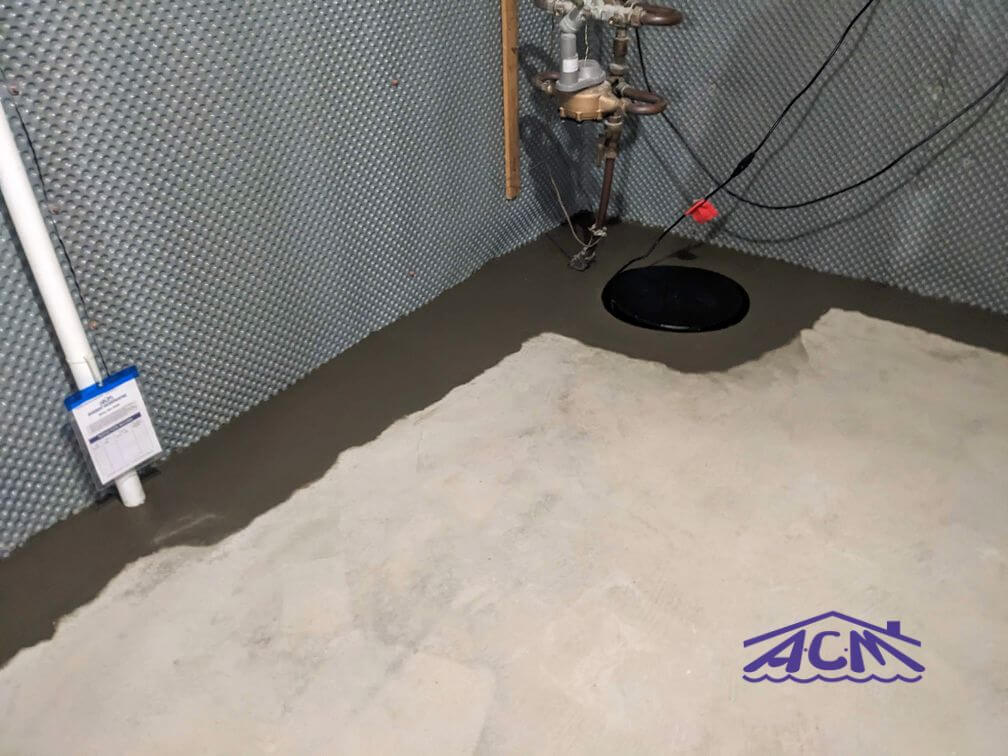
For water intrusion: Interior waterproofing usually makes the most sense. A French drain system installed around the perimeter of the basement, connected to a sump pump. Water gets intercepted before it spreads across the floor. The pump moves it out and away from the house. We’ve installed hundreds of these systems across Long Island.
For foundation cracks: Foundation repair to correct the crack along with an interior waterproofing system to control any water. The hydraulic cement from the hardware store cracks and fails. Don’t waste your time.
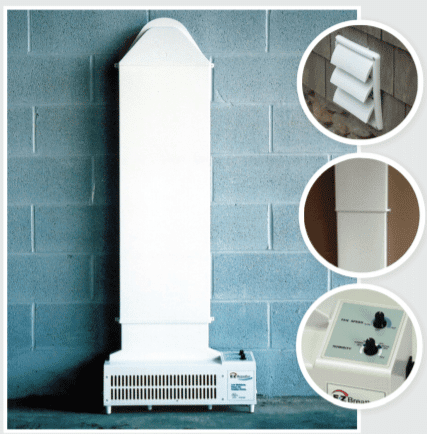
For humidity: A quality basement ventilation system for your Long Island home makes a difference, improving airflow, and decreasing humidity. In some cases, after waterproofing is in place, humidity drops on its own because you’re no longer adding moisture to the space.
When You Need Long Island Basement Mold Remediation First
If mold growth is extensive, remediation might be necessary before or alongside waterproofing. We can recommend mold remediation companies near you and then have ACM handle the Long Island basement waterproofing near you that you need. They handle the mold, we handle the moisture, and the problem actually gets solved.

Can I Remove Basement Mold Myself?
Depends on how much there is.
A small patch on a hard surface, less than about 10 square feet, you can probably handle yourself:
- Scrub with detergent and water or a commercial mold cleaner
- Wear a mask and gloves
- Open a window if possible
- Let the area dry completely
Larger areas are different. Mold on porous materials like drywall or carpet is harder to remove completely. If you disturb a big moldy area without proper containment, you spread spores through the house. The problem gets worse, not better. To be safe, you are better off getting a professional inspection before you take on the mold yourself.
Can You Stop Basement Mold From Coming Back?
The real issue isn’t whether you can clean the mold. It’s whether you can stop it from coming back. Scrubbing a wall doesn’t lower your basement humidity. It doesn’t seal a crack in your foundation. It doesn’t fix drainage. If those things aren’t addressed, you’re just killing time until the mold returns.
For Long Island homeowners who keep fighting the same mold in the same spots, at some point you have to stop cleaning and start solving.
Preventing Mold in Your Long Island Basement
Control Humidity
Keep it below 60 percent. Below 50 is better. A basement ventilation system running in the basement helps, especially during summer months when the air is thick. Make sure you’re emptying it regularly, or run a drain line so you don’t have to think about it.
Address Water Intrusion Immediately
When you see a damp spot on the wall, a puddle after rain, or water stains on the floor, act on it. These aren’t things to monitor and hope they go away. They’re telling you something is wrong. Water problems only get worse.
Check Your Exterior Drainage
- Keep gutters clean
- Make sure downspouts discharge several feet from the foundation
- Check grading around the house (soil should slope away from the walls, not toward them)
If grading has settled over time and slopes toward the house, water pools against the foundation. That water ends up in your basement.
Maintain Your Basement Sump Pump
Get one if you don’t have one. Test it if you do. Pour a bucket of water in the pit and watch it run. A pump that hasn’t cycled in months might not work when you actually need it.
Inspect Your Basement Regularly
Walk through your basement every couple of months. Look at the walls, the corners, the floor. Check behind anything pushed against the walls. Smell the air. Catching a problem when it’s small is easier than dealing with one that’s been developing for a year.

How ACM Solves Basement Mold Problems
We don’t do mold removal. What we do is figure out why you have mold and permanently fix that so you never need to remove mold again.
When a Long Island homeowner calls about mold, we come out and do an inspection. We look at the basement, the foundation, any existing drainage or sump system, the grading around the house. We ask questions: When does it get damp? Where have you seen mold? Has the basement ever flooded? We’re trying to understand what’s going on with this specific house, because every house is different.
What the Solution Usually Looks Like
Then we explain what we’re seeing and what we think the solution is. Usually that means waterproofing:
- Interior french drain system around the basement perimeter
- Sump pump installation
- Foundation crack repair
- Sometimes a combination of all three
The system depends on your home, your lot, your soil, where water is coming from.
If mold growth is bad enough that it needs professional remediation first, we’ll tell you that. We know good Long Island mold remediation contractors near you and can make a referral. But even after remediation, if no one fixes the moisture, you’ll be calling them again eventually. That’s where we come in.
We’ve worked on Long Island basements for decades. We know which neighborhoods sit on clay, which ones have water table issues, which parts of the island flood every time a big storm comes through. That experience matters when we’re designing a system for your home.
ACM Basement Waterproofing serves homeowners across Nassau County, Suffolk County, and all of Long Island. If mold keeps showing up in your basement and you’re tired of the cycle, we can help.